The RV Dilemma: Navigating the Hybrid Nature of California Lemon Law
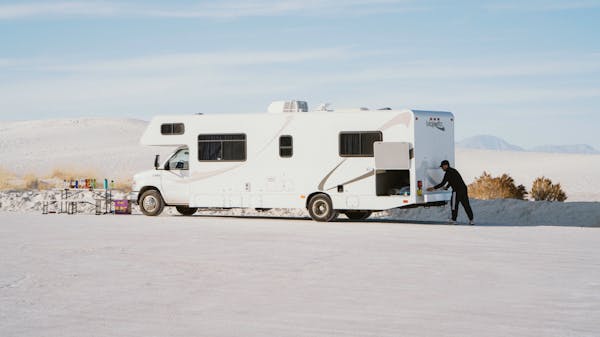
In California, these vehicles are treated as “hybrids” under the law, falling between two different categories of protection. Understanding this distinction is the first step toward getting your investment back on track.
- The motor vehicle portion: This includes the chassis, the engine, the drivetrain, and the propulsion system. Since these parts are what make the RV a vehicle, they are covered under the same strict standards as cars and trucks.
- The living quarters: This covers the home aspects, such as slide-outs, plumbing, appliances, and cabinetry. Legally, these are often classified as consumer goods.
The Chassis vs. The Habitation
The most critical hurdle in an RV lemon law case is determining which part of the vehicle is malfunctioning. California’s Song-Beverly Consumer Warranty Act provides different levels of protection based on the component at fault:- The motor vehicle portion: This includes the chassis, the engine, the drivetrain, and the propulsion system. Since these parts are what make the RV a vehicle, they are covered under the same strict standards as cars and trucks.
- The living quarters: This covers the home aspects, such as slide-outs, plumbing, appliances, and cabinetry. Legally, these are often classified as consumer goods.
While both are protected, the legal triggers for a buyback can vary. For example, a defect in the engine that risks a breakdown on the highway is often easier to litigate as a “substantial safety hazard” than a recurring leak in the shower, even if the latter makes the RV unusable for its intended purpose.
The 30-Day Out-of-Service Rule
One of the most powerful tools for RV owners is the 30-day rule. Given the specialized nature of motorhomes, parts are frequently backordered, and authorized repair centers are often overbooked. If your RV has been out of service for a cumulative total of 30 or more days for warranty repairs, it may be presumed a lemon.In the world of RVing, where owners often travel long distances to reach specific service centers, these days add up quickly. It is vital to keep a proper record of exactly when the vehicle entered the shop and when it was returned to your possession.
Why Expert Advocacy is Essential
Since RV manufacturers often use a split-warranty system, owners often get stuck in a loop of denied responsibility. Dealing with these overlapping warranties and the new mandatory medication requirements is a high-stakes technical challenge. Since the law relies on specific timelines and technical definitions, many consumers choose to consult with experienced California lemon law attorneys to ensure their rights are fully protected throughout the buyback or replacement process.Protecting Your Rights and Recovery
If you succeed in a lemon law claim under California law, the manufacturer is generally required to pay your attorney’s fees. This provision ensures that owners can go head-to-head with major manufacturers without the burden of upfront legal costs. If your home on wheels has become a permanent fixture at the repair shop, it is time to stop settling for excuses and start exploring your legal remedies.Do You Need An Attorney?
If so, post a short summary of your legal needs to our site and let attorneys submit applications to fulfill those needs. No time wasted, no hassle, no confusion, no cost.
Posted - 03/24/2026
Connect with us:
Learn about us: